Comparing Hank Aaron and Rafael Devers Head to Head
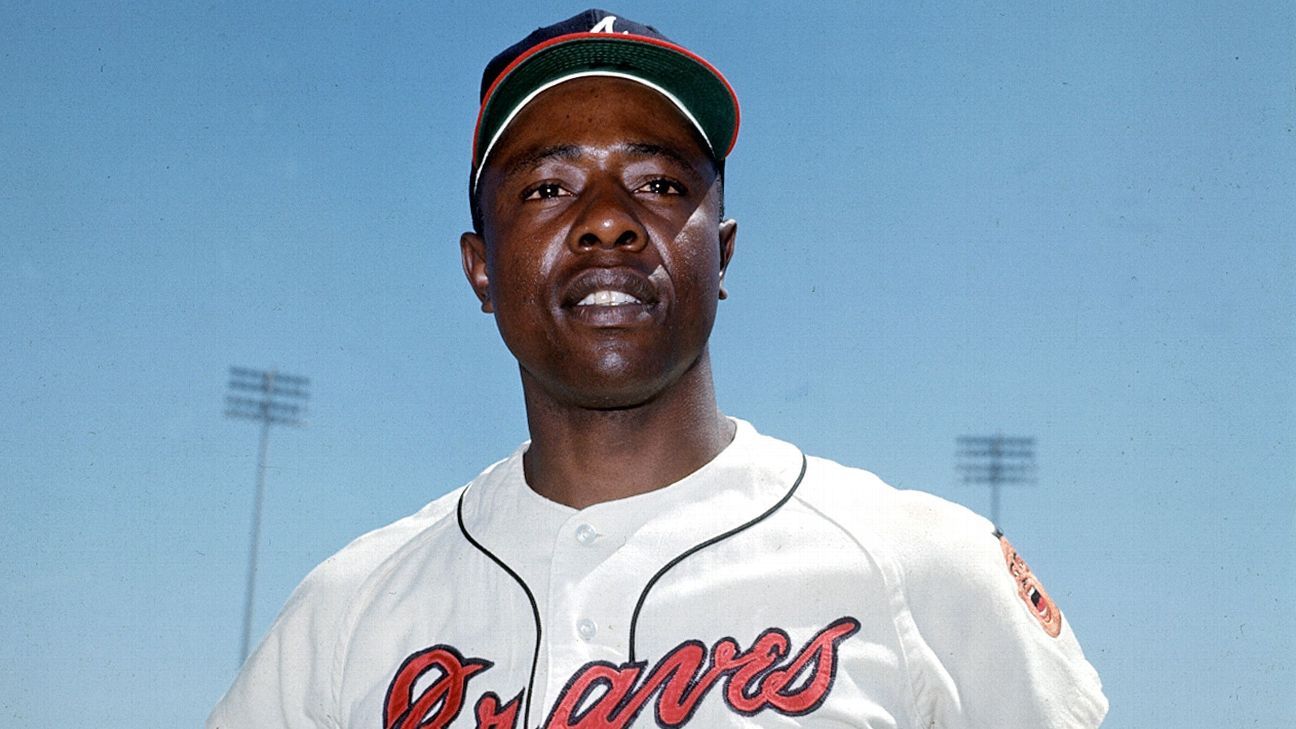

The career statistics tell a clear story in this Batter comparison. Hank Aaron holds the advantage in 6 of 6 key categories, with Stolen Bases representing the most decisive gap — a 627.3% difference that separates these two MLB players. This is not a close debate on the numbers.
Hank Aaron's Stolen Bases of 240 compared to Rafael Devers's 33 represents a 627.3% advantage — dramatically better than their counterpart in this critical category. It is the single most decisive number in this comparison and the clearest statistical argument for Hank Aaron's edge.
The most competitive category in this matchup is OPS, where Hank Aaron posts .928 against Rafael Devers's .856 — a gap of just 8.4%. Rafael Devers can point to this as evidence that the overall comparison is closer than the final 6-0 tally suggests. In any debate, OPS is the statistical ammunition for the Rafael Devers side.
Offensive production in baseball requires looking beyond batting average to on-base percentage and slugging — the components of OPS that most completely capture a hitter's value across a full career.
Hank Aaron wins this head to head comparison decisively — 6 categories to 0. The 627.3% gap in Stolen Bases alone makes a compelling case, but the consistency across multiple categories confirms Hank Aaron's statistical superiority in this MLB career comparison.
Who is better, Hank Aaron or Rafael Devers?
Hank Aaron holds the statistical edge, winning 6 of 6 categories in this career comparison. Hank Aaron's Stolen Bases of 240 versus Rafael Devers's 33 is the most decisive factor — a 627.3% difference.
How do Hank Aaron and Rafael Devers compare in Stolen Bases?
Hank Aaron career Stolen Bases: 240. Rafael Devers career Stolen Bases: 33. Hank Aaron leads by 627.3% — dramatically ahead in this key Batter metric.
Who had the better overall career, Hank Aaron or Rafael Devers?
Based on career statistics, Hank Aaron edges Rafael Devers 6-0 across key categories. Hank Aaron's Stolen Bases of 240 leads Rafael Devers's 33 by 627.3%, providing the clearest statistical evidence of the career advantage.