Comparing Alonzo Mourning and Kobe Bryant Head to Head

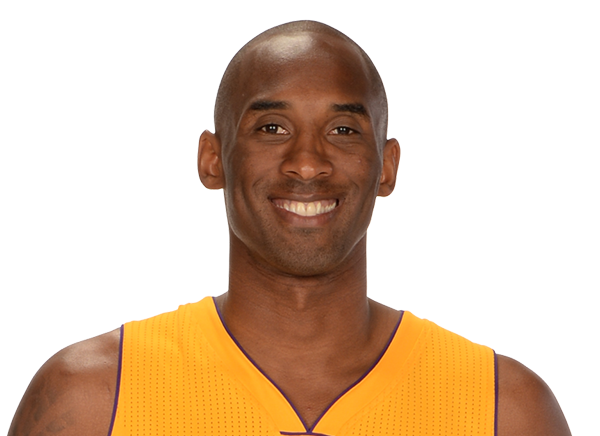
**Kobe takes the statistical battle decisively, winning five of eight key categories.** His 25.1 scoring average demolishes Mourning's 16.8, while his superior playmaking (4.7 vs 1.1 assists) and perimeter skills (32% vs 6% from three) showcase his offensive versatility. Mourning counters with dominant interior numbers—8.5 rebounds and 2.8 blocks per game—plus a more efficient 52% field goal percentage, but Kobe's offensive explosion and defensive activity (1.4 steals) tip the scales.
**Mourning's signature strength was pure defensive intimidation and interior dominance.** Those 2.8 blocks per game represent elite rim protection that anchored championship defenses. **Kobe's calling card was unstoppable offensive creativity**—the footwork, fadeaways, and clutch gene that made him unguardable in crunch time, evidenced by that massive scoring gap and dramatically superior three-point shooting.
**While Mourning was a defensive force and efficient big man, Kobe's two-way impact and offensive brilliance separate him clearly.** The scoring differential alone (8.3 points per game) outweighs Mourning's rebounding and shot-blocking advantages, and Kobe's five championships to Mourning's one ring seals the argument. **Kobe Bryant is definitively the better player.**
Who is better, Alonzo Mourning or Kobe Bryant?
Kobe Bryant holds the statistical edge, winning 5 of 8 categories in this career comparison. Kobe Bryant's Blocks Per Game of 2.8 versus Alonzo Mourning's 0.5 is the most decisive factor — a 460% difference.
How do Alonzo Mourning and Kobe Bryant compare in Blocks Per Game?
Alonzo Mourning career Blocks Per Game: 2.8. Kobe Bryant career Blocks Per Game: 0.5. Alonzo Mourning leads by 460% — dramatically ahead in this key C metric.
Who had the better overall career, Alonzo Mourning or Kobe Bryant?
Based on career statistics, Kobe Bryant edges Alonzo Mourning 5-3 across key categories. Kobe Bryant's Blocks Per Game of 2.8 leads Alonzo Mourning's 0.5 by 460%, providing the clearest statistical evidence of the career advantage.