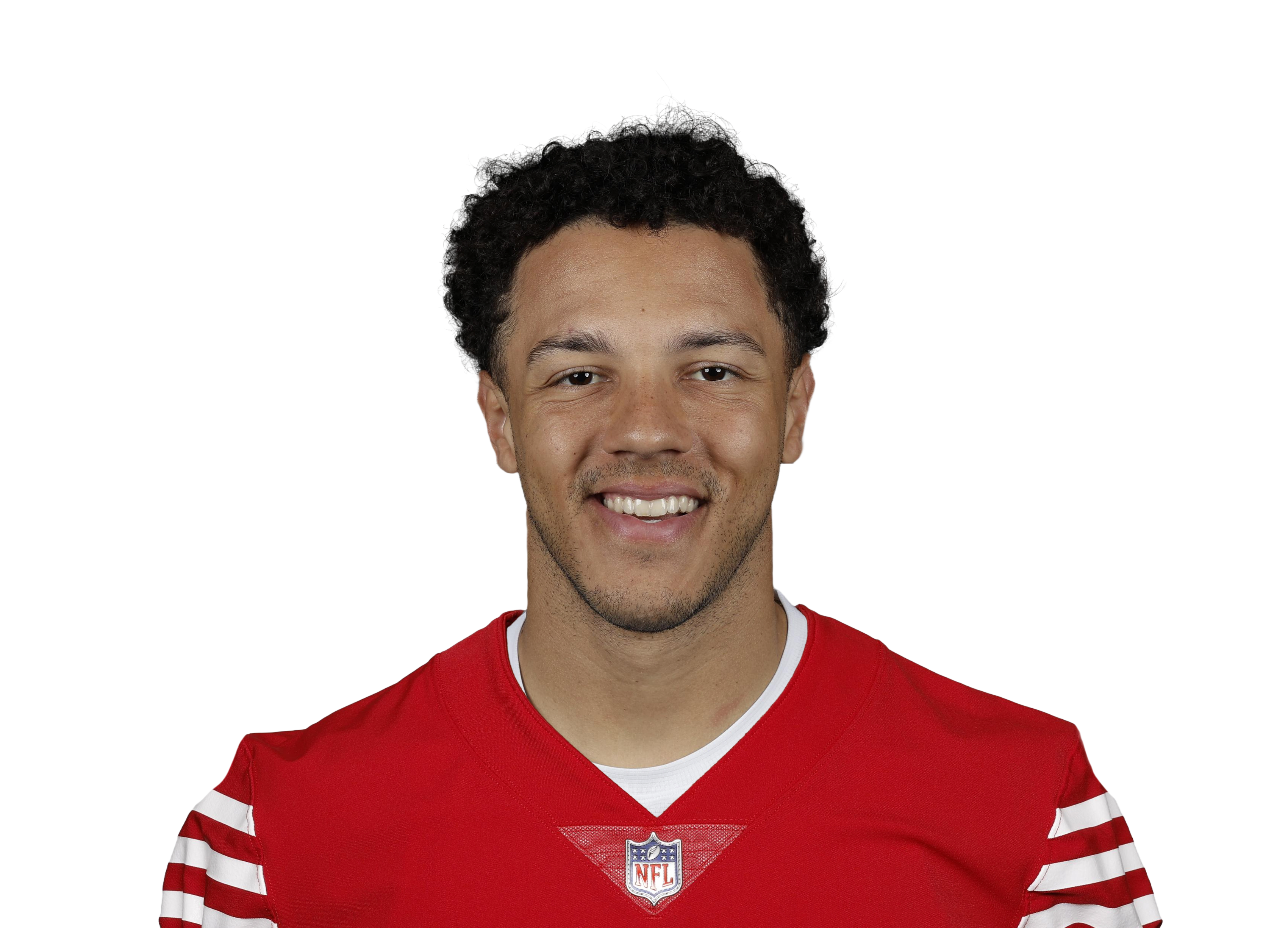
Anthony Richardson or Ray Agnew? The NFL Stat Breakdown


Few NFL comparisons generate more debate than Anthony Richardson vs Ray Agnew. The numbers reveal a genuinely competitive matchup — Anthony Richardson takes 1 categories while Ray Agnew claims 0, making this one of the closer head to head comparisons at the QB position. Every statistical category matters in a matchup this tight.
Anthony Richardson's Games Played of 17 compared to Ray Agnew's 12 represents a 41.7% advantage — significantly better than their counterpart in this critical category. It is the single most decisive number in this comparison and the clearest statistical argument for Anthony Richardson's edge.
Across the full range of career statistics, Ray Agnew remains competitive in several categories — a reminder that the overall comparison is closer than the final 1-0 category tally might suggest.
Quarterback evaluation in the modern NFL weighs passing efficiency heavily alongside raw yardage totals. Passer rating, completion percentage and touchdown-to-interception ratio paint a more complete picture than any single statistic alone.
The verdict favors Anthony Richardson — 1 categories to 0 — but Ray Agnew makes this far from a one-sided debate. Anyone building the case for Ray Agnew has real statistical ammunition. The numbers have spoken, but the argument will continue.
Who is better, Anthony Richardson or Ray Agnew?
Anthony Richardson holds the statistical edge, winning 1 of 1 categories in this career comparison. Anthony Richardson's Games Played of 17 versus Ray Agnew's 12 is the most decisive factor — a 41.7% difference.
How do Anthony Richardson and Ray Agnew compare in Games Played?
Anthony Richardson career Games Played: 17. Ray Agnew career Games Played: 12. Anthony Richardson leads by 41.7% — significantly ahead in this key QB metric.
Who had the better overall career, Anthony Richardson or Ray Agnew?
Based on career statistics, Anthony Richardson edges Ray Agnew 1-0 across key categories. Anthony Richardson's Games Played of 17 leads Ray Agnew's 12 by 41.7%, providing the clearest statistical evidence of the career advantage.