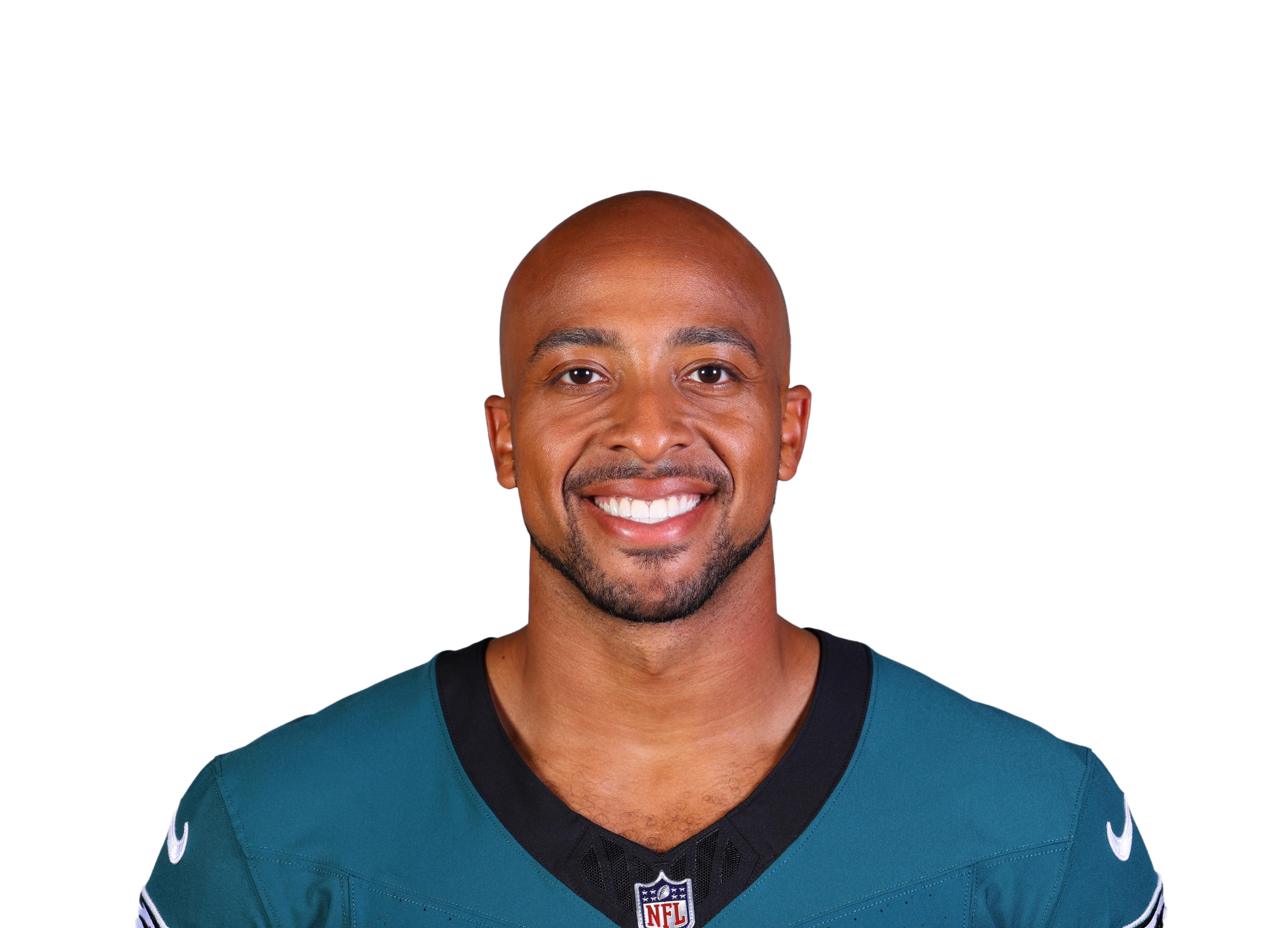
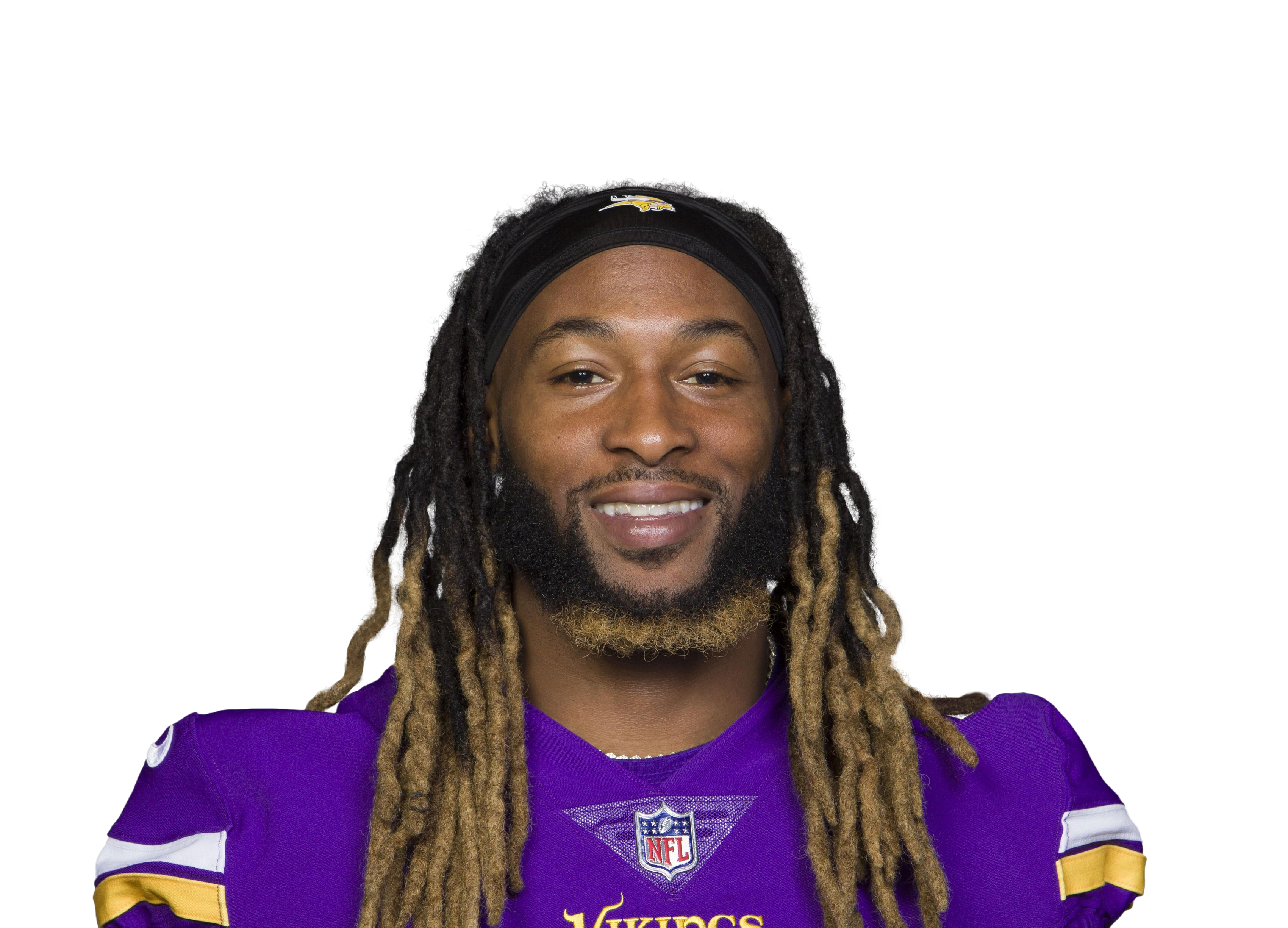
Comparing Barry Sanders and Rabih Abdullah Head to Head


**Statistical Domination**
This isn't even a competition—it's statistical murder. Barry Sanders demolished Abdullah in every meaningful category, racking up 15,269 rushing yards to Abdullah's measly 172, while averaging 5.0 yards per carry compared to Abdullah's anemic 2.7. Sanders caught 352 passes for 2,921 yards and scored 99 rushing touchdowns, while Abdullah managed just 15 catches for 115 yards and zero rushing scores. The "category wins" metric is laughably misleading here.
**Signature Strengths**
Sanders was pure magic in cleats—a human highlight reel who could make defenders look foolish with cuts that defied physics and acceleration that belonged in a video game. His ability to turn certain losses into explosive gains made him the most electrifying runner in NFL history. Abdullah's strength was... showing up to practice and surviving 83 games in the league, which deserves respect but hardly warrants comparison to greatness.
**Final Verdict**
Comparing Abdullah to Sanders is like comparing a paper airplane to a fighter jet—both technically fly, but one is a masterpiece of engineering while the other is a noble attempt. **Barry Sanders wins this matchup so decisively that asking the question borders on disrespectful.**
Who is better, Barry Sanders or Rabih Abdullah?
Barry Sanders holds the statistical edge, winning 5 of 5 categories in this career comparison. Barry Sanders's Rushing Yards of 15,269 versus Rabih Abdullah's 172 is the most decisive factor — a 8777.3% difference.
How do Barry Sanders and Rabih Abdullah compare in Rushing Yards?
Barry Sanders career Rushing Yards: 15,269. Rabih Abdullah career Rushing Yards: 172. Barry Sanders leads by 8777.3% — dramatically ahead in this key RB metric.
Who had the better overall career, Barry Sanders or Rabih Abdullah?
Based on career statistics, Barry Sanders edges Rabih Abdullah 5-0 across key categories. Barry Sanders's Rushing Yards of 15,269 leads Rabih Abdullah's 172 by 8777.3%, providing the clearest statistical evidence of the career advantage.